
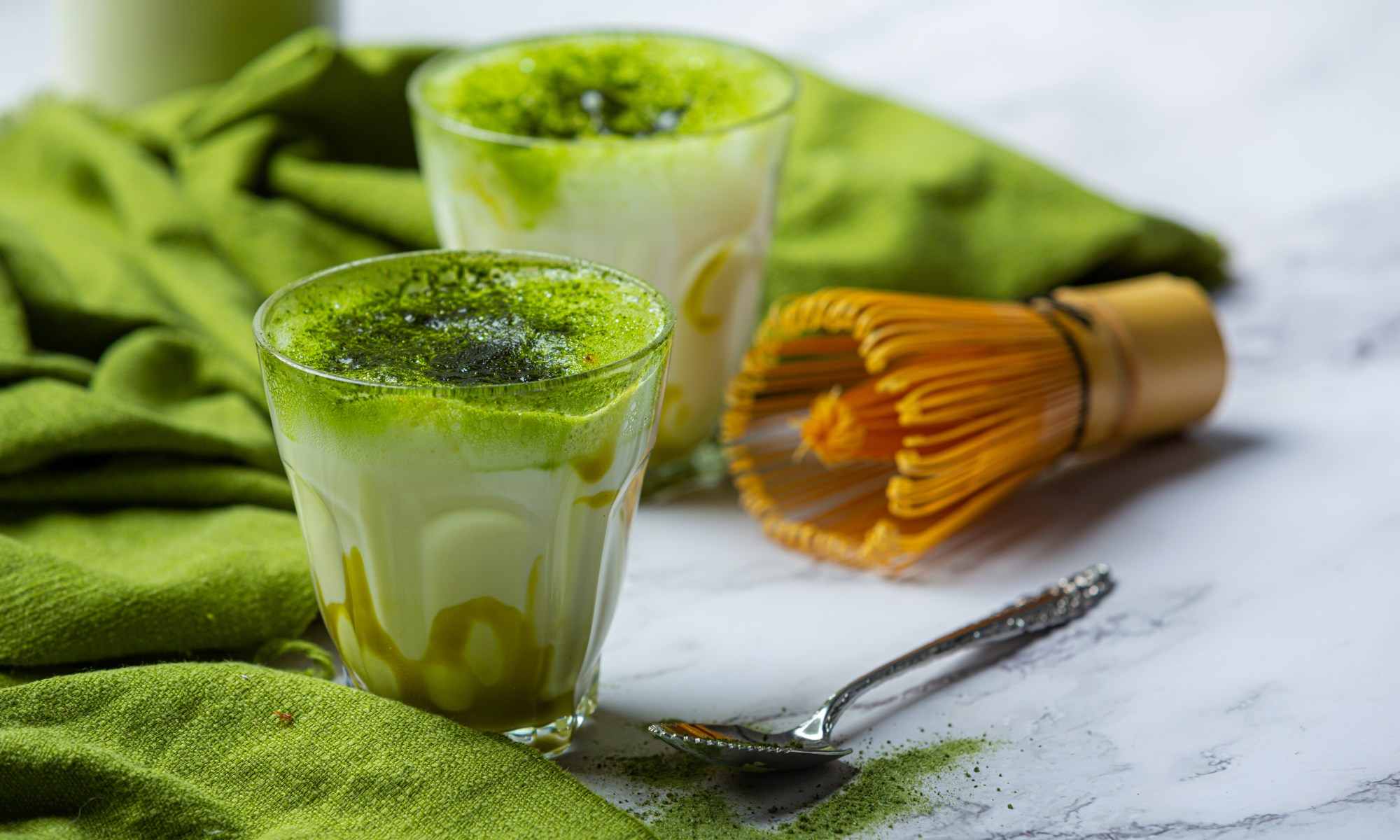

A superfood is defined as “a food that is rich in compounds (such as antioxidants, fiber or fatty acids) considered beneficial to a person’s health,” according to the Merriam-Webster Dictionary. A superfood is low in calorie but high in nutrients and can prevent many diseases. They are generally full of antioxidants, fiber, vitamins and minerals. Superfoods are believed to strengthen our immune system and improves our gut and heart health.
Traditional Japanese cuisine is considered as one of the healthiest cuisines of the world. In Japan, people have a longer life and the obesity rate is also very low. No doubt, These two features made Japanese cuisine one of the healthiest cuisines. The traditional Japanese diet usually consists of rice, soup, fermented foods, fresh and pickled vegetables and seafood. Some of them are believed to be superfood. As Japanese people consume some of these foods on a daily basis their life expectancy are significantly higher. Japan’s life expectancy is considered one of the highest in the world.
Here are top 5 Japanese superfoods that you can easily incorporate into your everyday diet for a longer and healthier life.
I. Miso:
Miso is the backbone of Japanese cuisine. It is a paste obtained from fermented soybeans. It has a distinct flavor with salty and little sweet taste. It is used in many dishes to enhance the flavor of the dish. There are generally three varieties of miso available: white, yellow and red where white one is the mildest, yellow one has more strong flavor and red miso has very strong flavor and more salty in taste.
Miso is mostly used as the base of soup. Miso soup is very popular side dish in Japan. Miso can also be used as dip.
The vitamins, minerals, protein , fiber and fatty acids of Miso are very beneficial for our health.

II. Tofu:
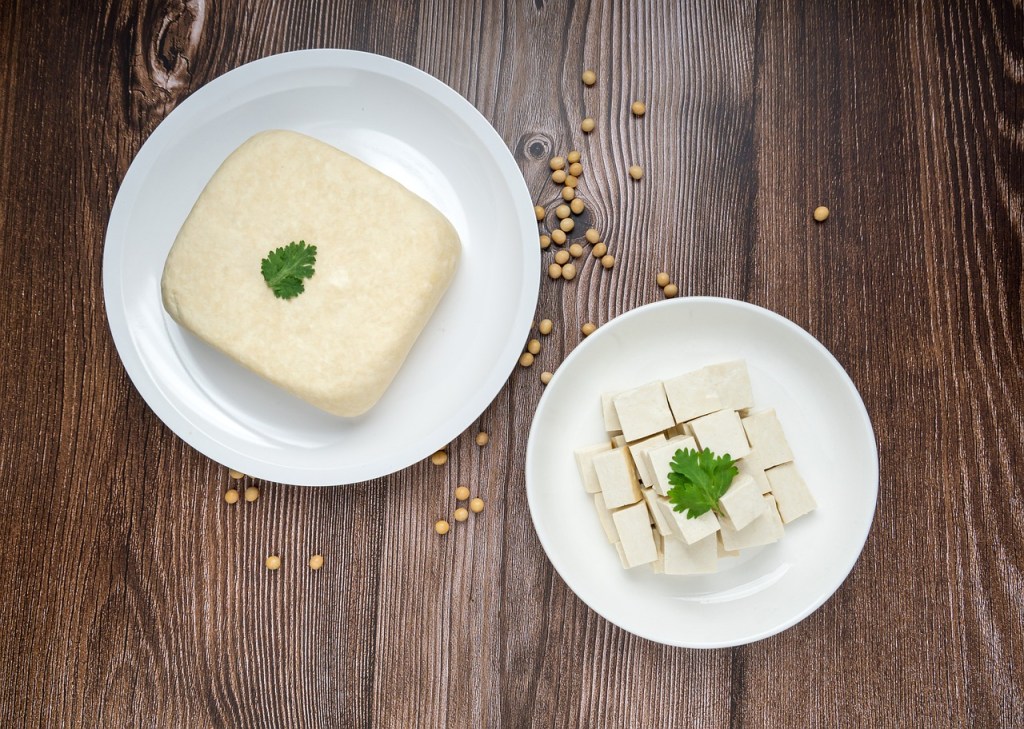
Tofu is a great heart-healthy protein that can be added to our diet. This soy product is rich in calcium, magnesium and healthy omega 3 and omega 6 fatty acids. It is creamy in texture and generally flavorless. This plant based protein improves our heart health condition, keeps our bones strong and may reduces the bad LDL cholesterol of our body.
III. Natto:
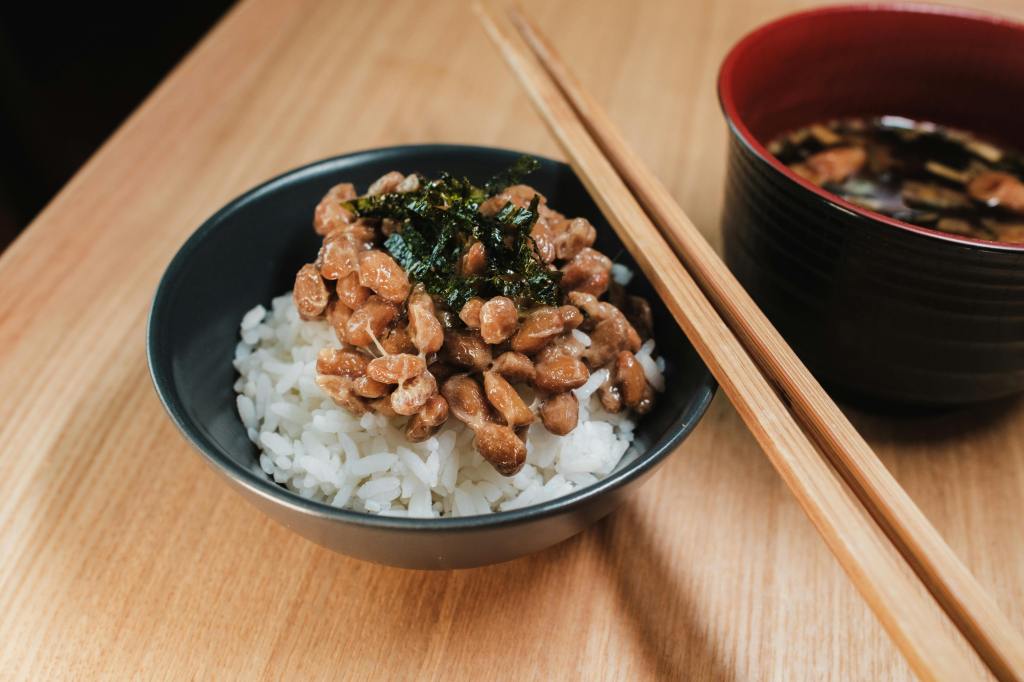
This sticky superfood is made from fermented soybeans. Natto has a distinct pungent smell and it is very popular in Japan. Generally Natto is eaten with rice, egg, green onion and soy sauce in breakfast. As it is a fermented food, it is very beneficial for our gut health. Natto is also a good source of protein and minerals. Natto contains Nattokinase enzyme which has blood thinning properties. Natto is also believed to reduce the risk of heart attacks.
IV. Matcha (Powdered green tea):
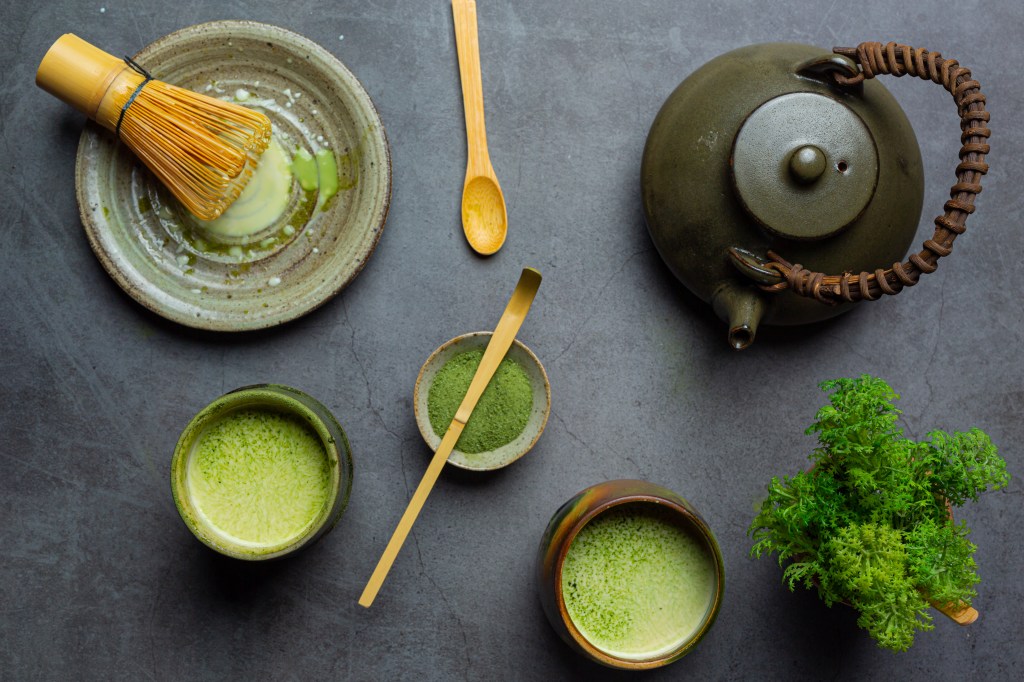
Matcha, the vibrant powdered green tea has many health benefits. Matcha has more antioxidants, caffeine and flavors than regular green tea because of different preparation methods. The high quality tea leaves, used for making matcha are grown under shade before harvesting which not only deepens the color of the tea but also enhances the chlorophyll level. Matcha is a good source of amino acids, vitamins and minerals. It may help us to feel full for a longer period which in turn reduces obesity. It is believed to enhance our memory and it is also very good for our skin and hair. Matcha is used not only in tea but also in many desserts.
V. Seaweed (Kaiso):
Japan being an island country, seaweeds are widely used in everyday dishes of Japanese cuisine. They are widely used in soups. The most popular seaweeds used in Japanese dishes are Nori, Kombu and Wakame. They are packed with vitamins,minerals, antioxidants and folic acids. Kombu is a good source of Keratin which makes the hair and nails shinier. Many Japanese people eat seaweeds in the beginning of their meal because the enzymes present in seaweeds helps in digestion and the umami flavor is believed to also enhance the taste of the rest of the diahes.
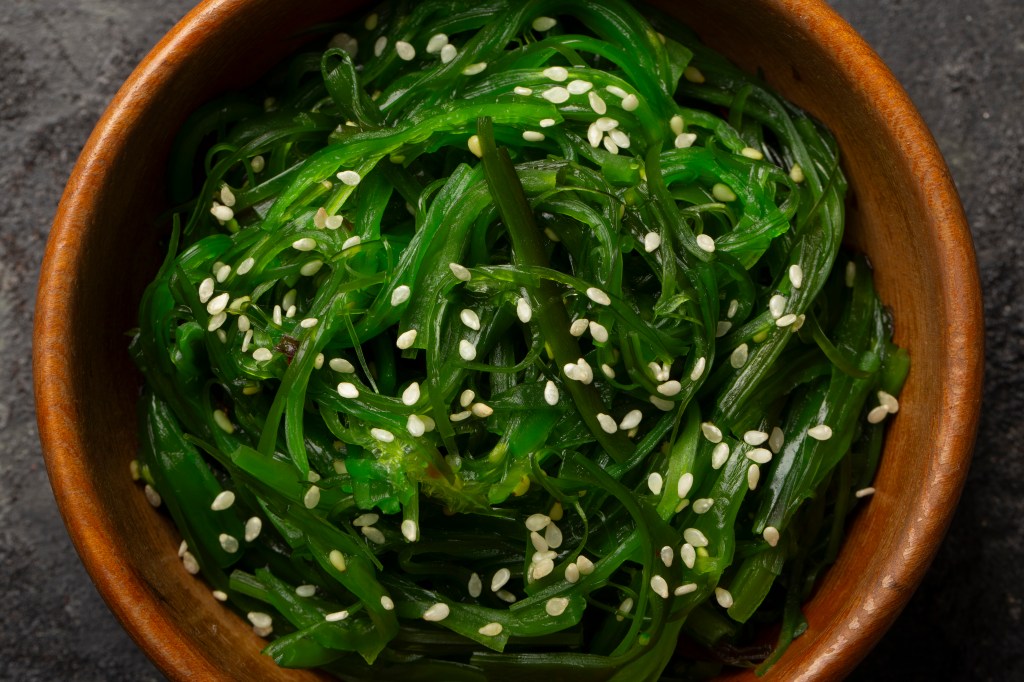
These five foods are believed to be in the everyday Japanese meal. Though there are many other healthy foods which are consumed by Japanese people on a regular basis, these are more widely used and popular.

 QuesterHUB