
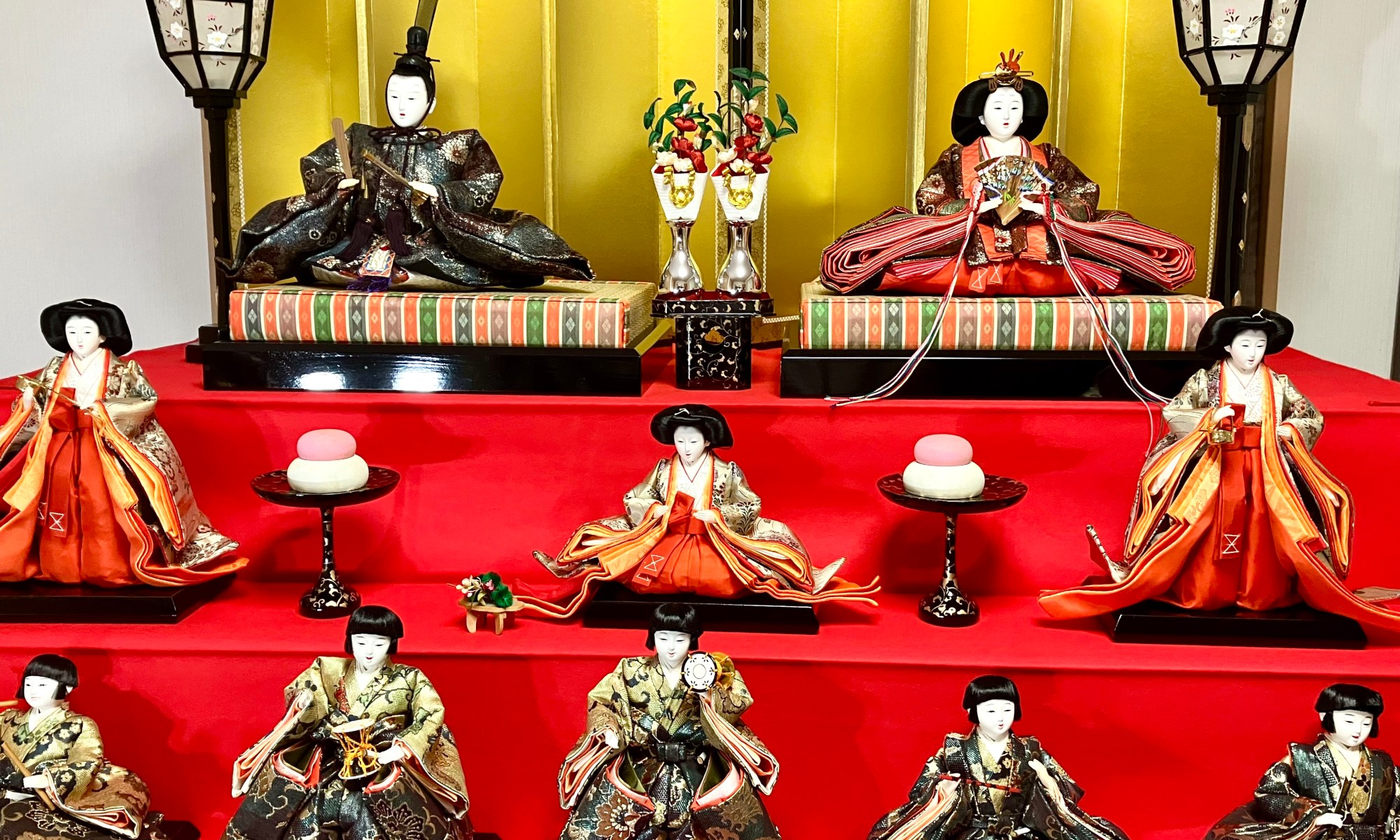

Hinamatsuri is a traditional Japanese doll festival which is celebrated on 3rd March every year. This festival is celebrated for the good health, prosperity and happiness of girl children of a family. Hence this is also known as Girls’ day in Japan.
Origin:
The festival is believed to be originated in China. Then the festival was introduced to japan during Heian period. The festival was traditionally known as the peach festival or momo no sekku as the peach trees start flowering during the time of the festival (early spring).
Celebration:
Families with girl children generally display a set of traditional hina dolls(hina-ningyo) on an altar covered with red carpet. These dolls are placed on three to seven step doll stand known as hina-dan. The dolls are well decorated with traditional wear and ornaments. The whole altar resembles the Japanese royal family and their wedding ceremony.
Each hina-dan is comprised of three to seven steps with traditional hina-dolls representing emperor, empress, attendants, musicians and some useful goods used in royal wedding ceremony.
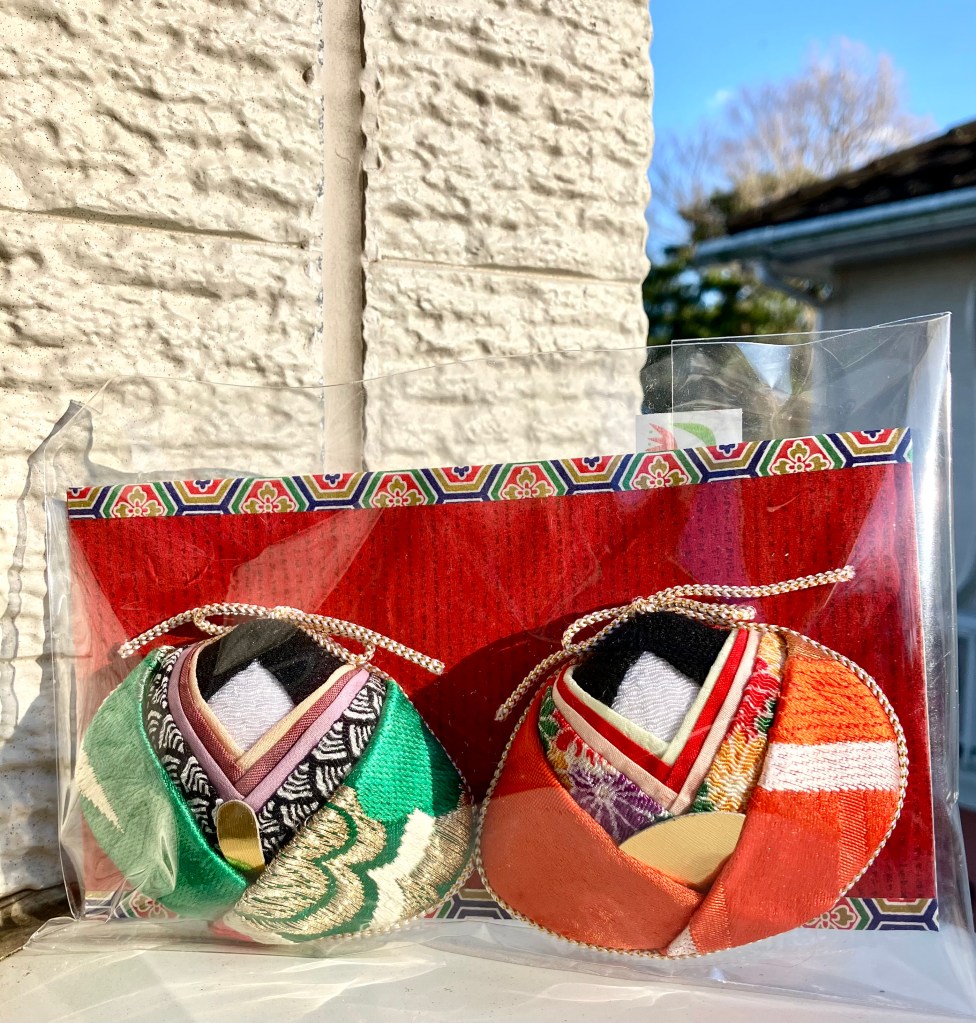
Some families display only a set of two hina dolls as the emperor and empress while few display five to seven step hina-dan with all the other dolls.
The hina dolls are quite expensive and generally it becomes family heirlooms.
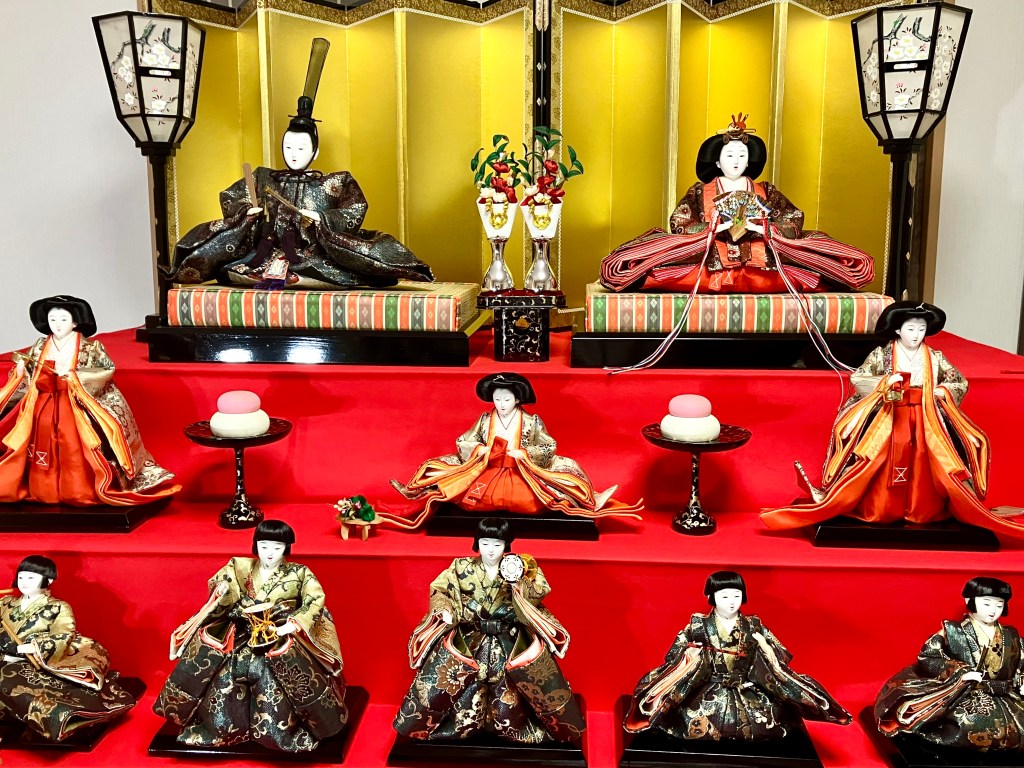
Arrangement of hina dolls:
The hina dolls represent the emperor, empress, musicians and attendants present at a royal wedding of Heian period. There are generally 3-7 platforms in the altar. The positioning of the dolls from top to bottom are as follows:
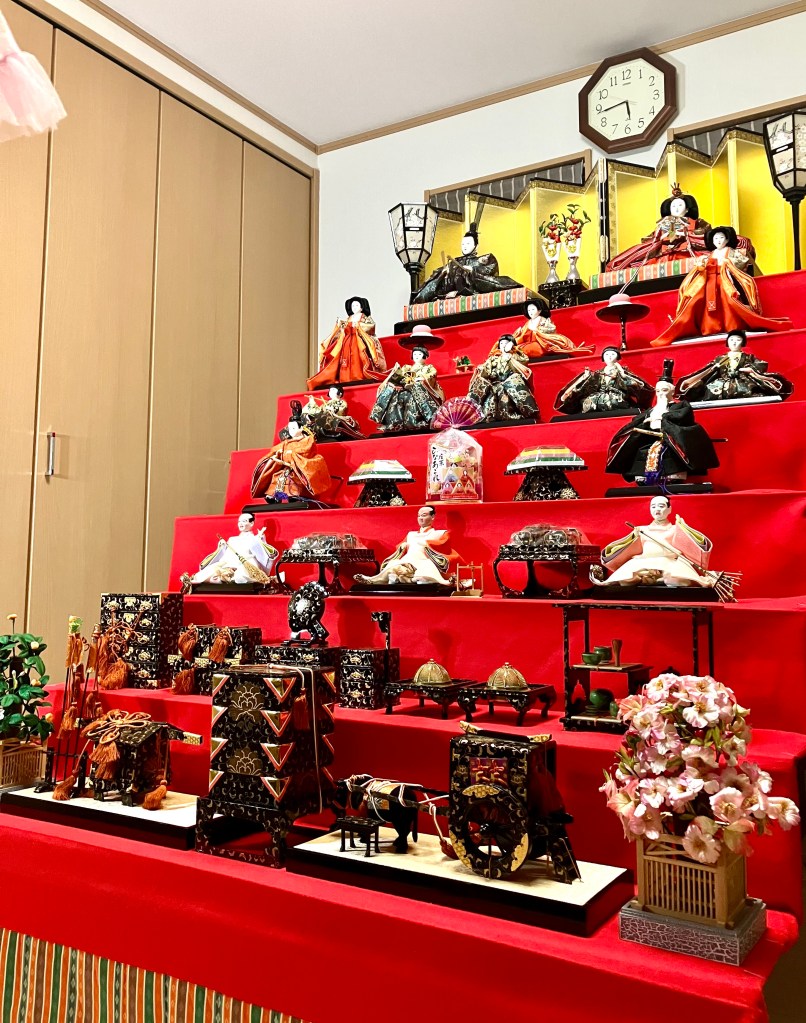
Platform 1: These two dolls are known as uchiuri hina. They represent the Emperor and Empress. They are in the most prestigious costumes. They are the symbol of happiness of children and prosperity of the family.
Platform 2: These three ladies are known as san-nin-kanjo who serves sake drinks.
Platform 3: There are go-nin-bayashi i.e., five musicians in the third platform. Each musician holds different instrument in his hands except the singer.
Platform 4: There are two court ministers in this rack known as zuijin. They are the bodyguards of the Emperor and Empress. One of them is young while other one is an old person.
Platform 5: This tier displays three helpers of the royal couple called shich-o where one is crying, one is laughing and one is angry.
Platform 6 and 7: The 6th and 7th platform of the altar usually display the various items to be used by the couple in the household. It includes mirror, storage chests, tea ceremony set, sewing kit, lamps ox driven cart and many more. One Cherry blossom tree and one Mandarin orange tree are also placed on the seventh tier.
Each doll has its own role in the royal court.
Foods of the festival:
Every celebration is not complete without foods. Many traditional foods are eaten during the celebration of the festival with deep meaning.
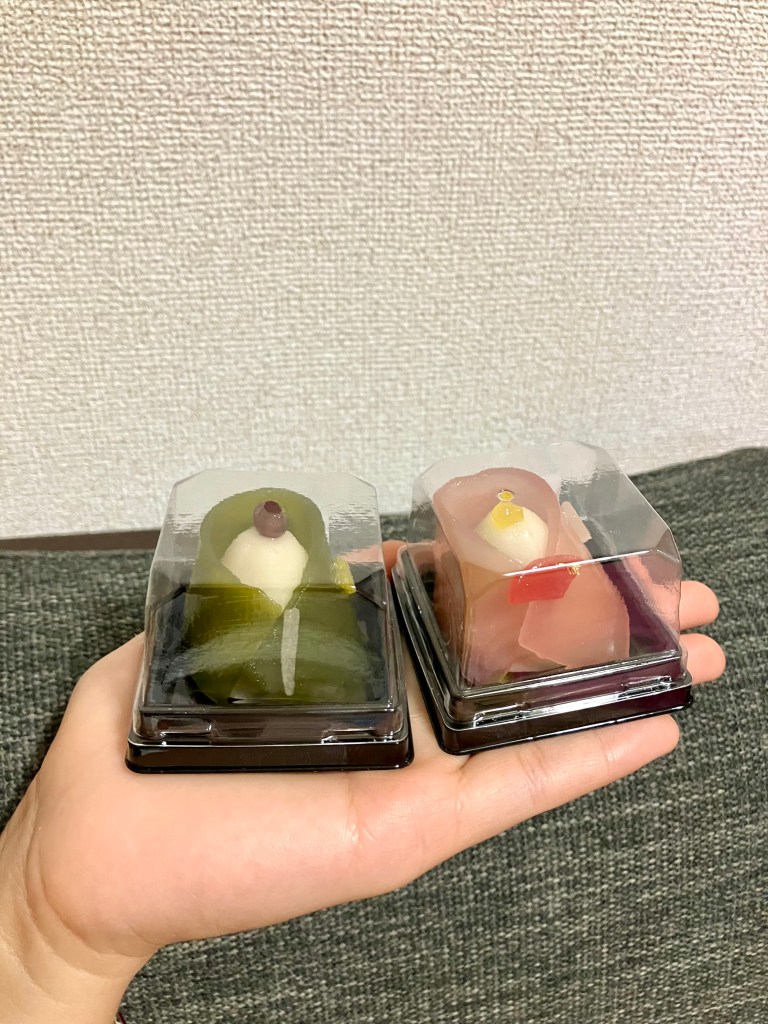
Hishi-mochi:
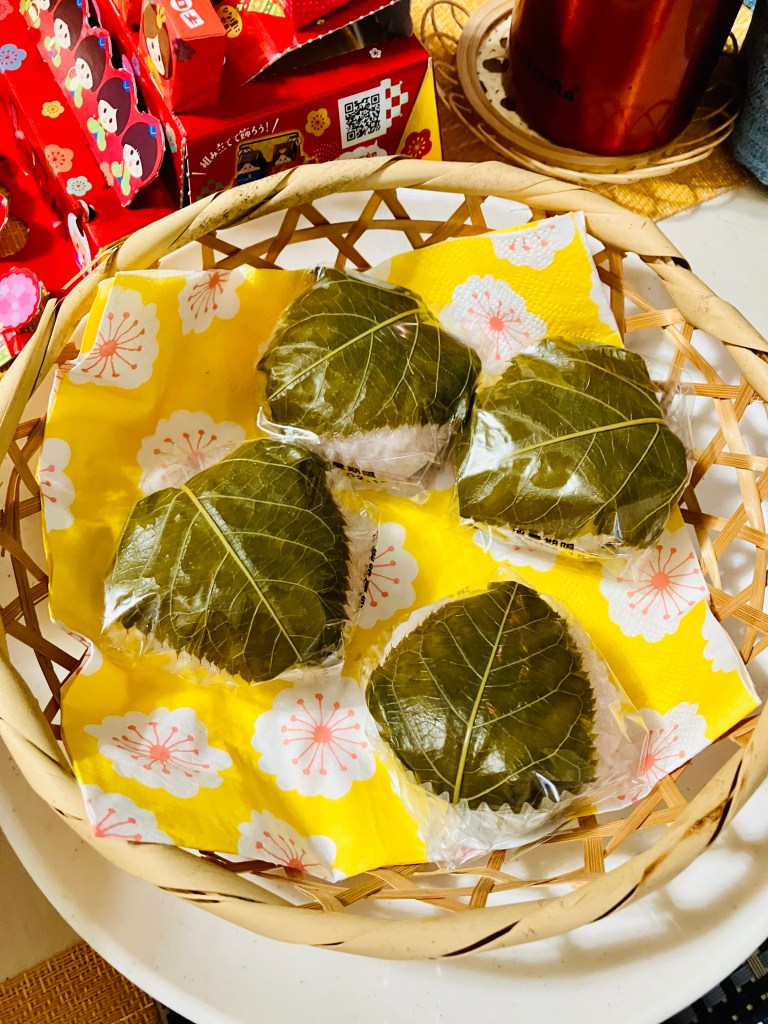
This rhomboid rice cake symbolizes fertility. They are one of the most essential dishes of the festival.
The hishi-mochi comes in three colors- white, green and pink.
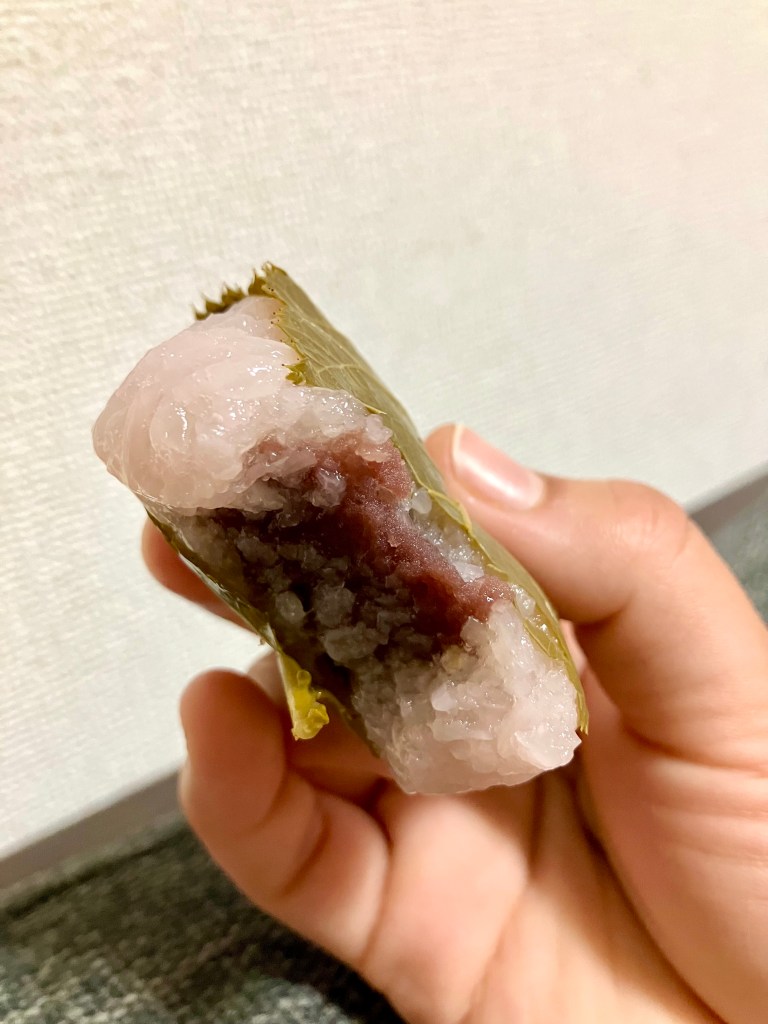
Chirashi-zushi: The slightly sweetened sushi is a must for this celebration.
Hina-arare:
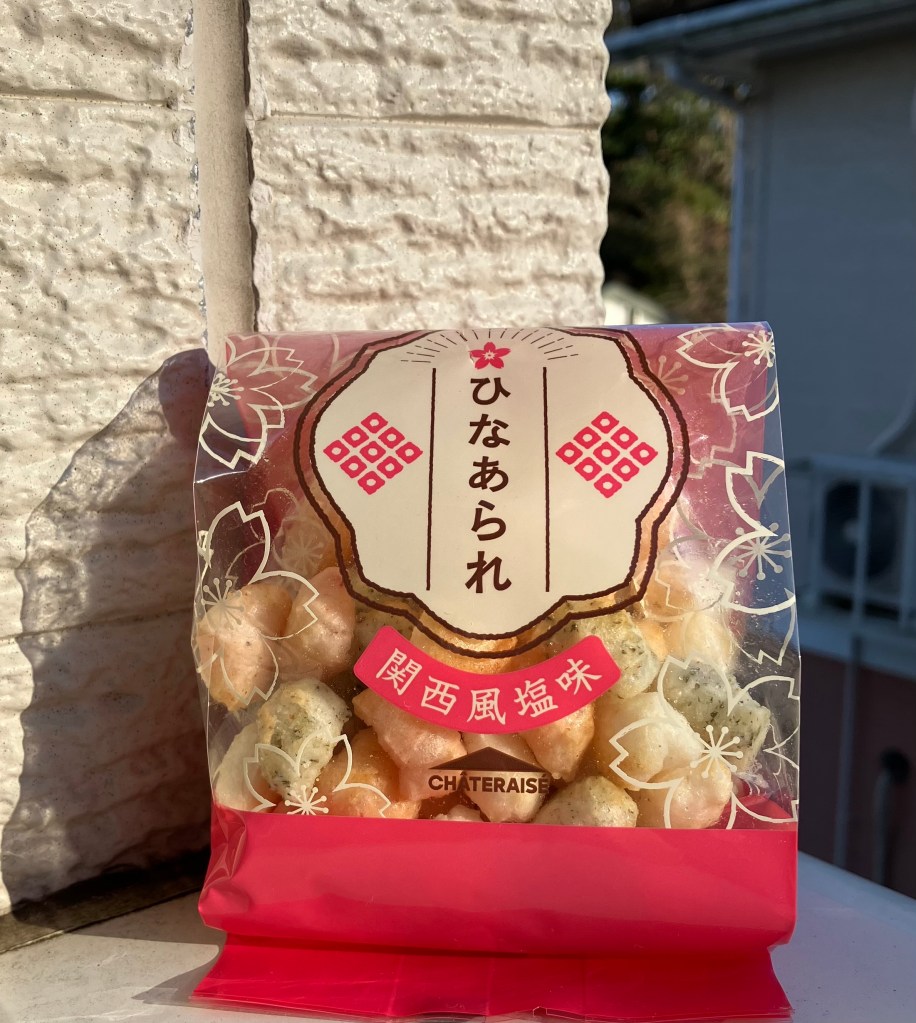
These rice crackers are also traditionally eaten during this festival. They can be salty or sweet.
Amazake: This is a non alcoholic sake served during the celebration.
Clam soup:
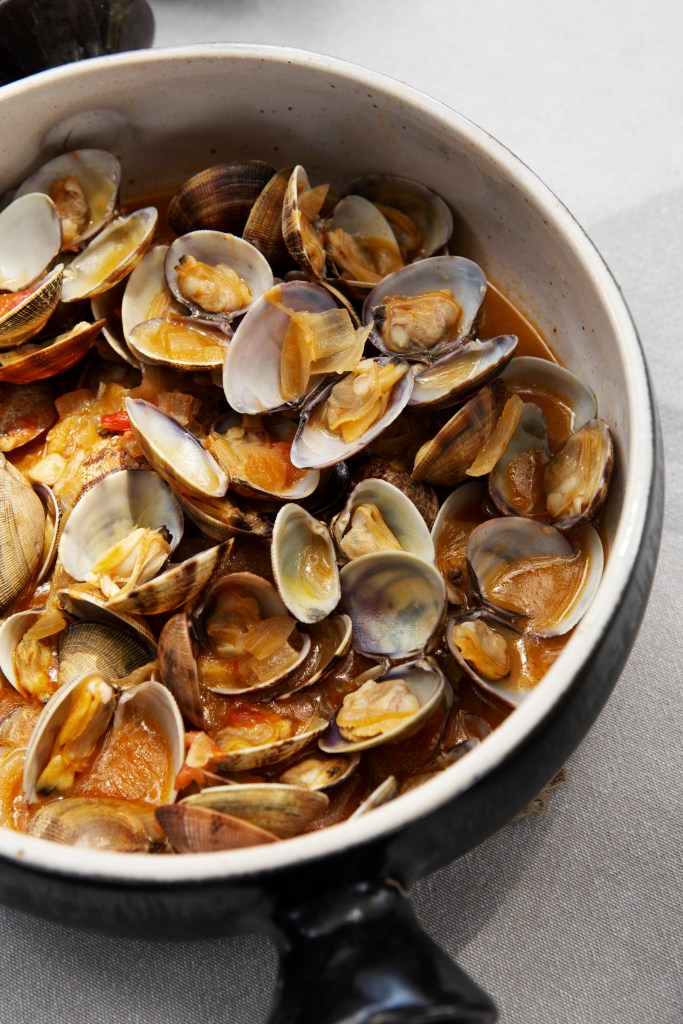
It is also a famous dish of the celebration. Clam soup symbolizes the harmony and happiness of a married couple. As the two shells of a clam are not complete without each other, the husband and wife are also incomplete without each other. The paired shells always fit together perfectly.
We can learn about the history and culture of Japan from the Hinamatsuri celebration. This festival is celebrated throughout the nation but every region has their own customs. So we are also be able to learn about the cultural diversity of the country. Like any other traditional event, Hinamatsuri celebration aids Japanese people to retain their root and culture and pass it to the next generation.

 QuesterHUB